


13 in / 33 cm short-packed poles and a dedicated handlebar bag make the tent easy to carry and integrate into a bikepacking setup.
Fits a 25.5 in / 65 cm wide sleeping pad with additional interior space for personal gear, giving solo campers a more comfortable setup.
Two doors and two vestibules provide flexible entry, convenient gear storage and easier access from either side of the tent.
Dedicated helmet storage, interior pockets, phone pockets and an integrated clothesline help keep essential gear organized and within easy reach.
Multiple ventilation points help manage airflow and condensation, while silicone and PU-coated 20D fabrics provide reliable weather protection.
The freestanding aluminum pole structure makes pitching straightforward and gives you more flexibility when choosing a campsite.
Rainfly – #3 YKK
Does the Wander Hawk 1P fit a wide sleeping pad?
Is the Wander Hawk 1P suitable for backpacking as well as bikepacking?
What does “minimum trail weight” mean?
Why can the actual tent weight vary slightly from the published weight?
How short are the tent poles when packed?
Is the handlebar bag included?
What handlebar-to-wheel clearance is needed for the handlebar bag?
Is the footprint included?
Is the Wander Hawk 1P freestanding?
How many doors and vestibules does the Wander Hawk 1P have?
Can the vestibule be configured as an awning?
What is the waterproof rating?
How can I reduce wrinkles in the tent fabric?

Dual-door design
- Asymmetric Vestibules: Features a streamlined single-zipper door on one side and a dual-zipper door on the other that functions as an awning.
- Optimized Access & Airflow: The versatile configurations enhance ventilation and ensure easy entry across various terrains and weather conditions.

Room to Relax, Storage Within Reach
- Roomy inner tent: 35.4" (90cm) × 88.2" (224cm) — fits a 25.5" (65cm) × 78" (198cm) sleeping pad with room for extra gear (image shows 20" × 72" pad).
- Organized storage: Two large pockets (one asymmetrical design) and four smaller pockets keep essentials within reach.

Less Condensation, More Comfort
Enhanced Ventilation:Top and side vents promote airflow through the tent and help reduce condensation buildup.
Improved Air Intake:Low-level openings encourage fresh air to enter, supporting better cross-ventilation throughout the shelter.


Video

Video
This is where the design really makes sense. The short poles disappear into the handlebar bag that comes in the box, and the tent itself is light enough that I honestly forgot about it during the day. Inside, everything has a place - phone pocket up top, helmet clipped where it can dry, a little clothesline for yesterday's socks. I put it through two storms, one an all-night soaker, and stayed completely dry. Condensation was barely a thing thanks to the mesh and roof vent. If you ride or hike solo and want one tent that handles everything from overnighters to a week on the road, this is it.
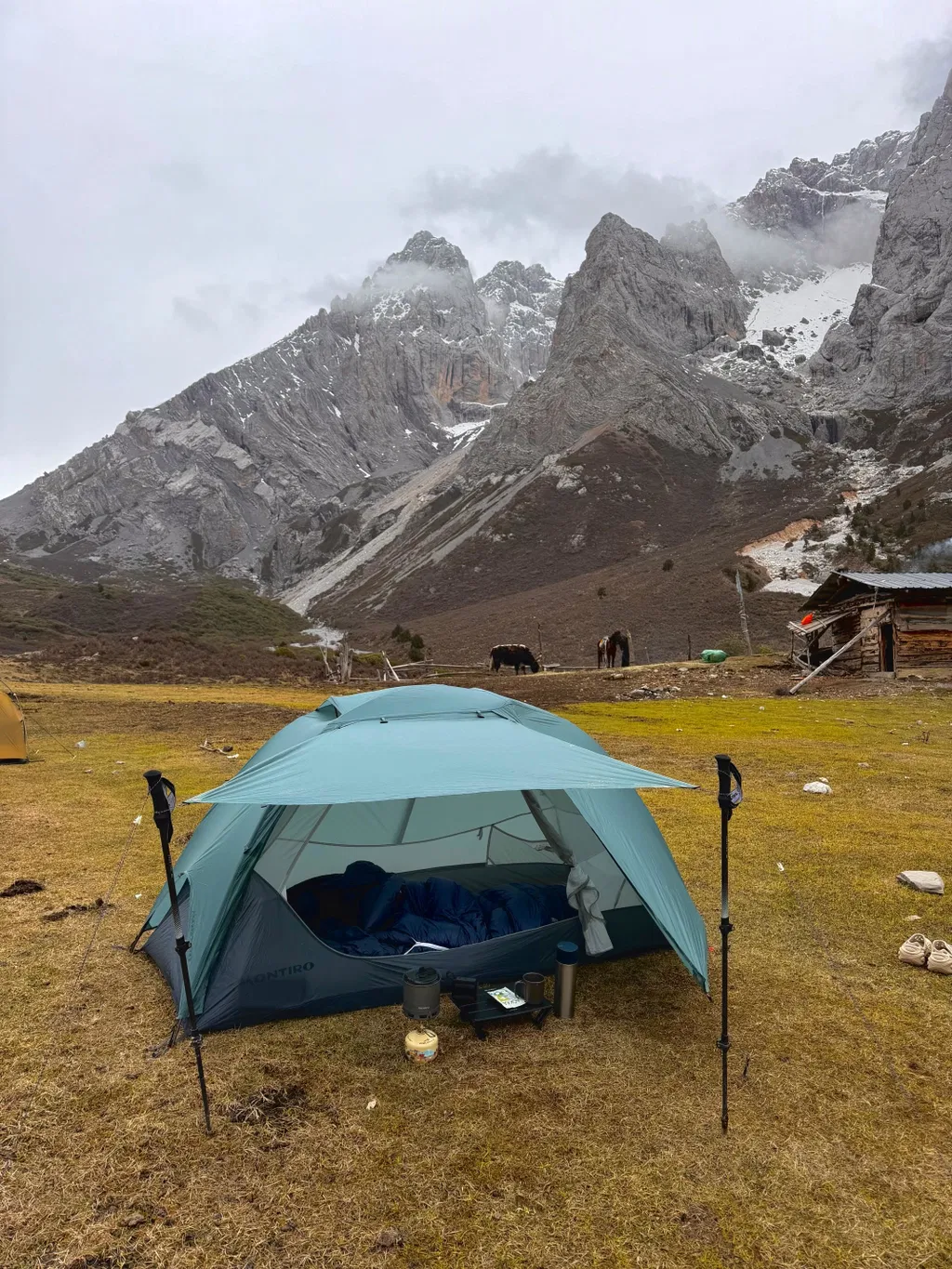
Field-tested over three nights in real conditions, including steady rain and moderate winds. Overall, excellent design, functionality, and space - though slightly on the heavier side.
Space:
- The interior feels roomy, especially around the head area with no sense of crowding.
- Length is generous - great for taller users. Width is standard, so it may feel a bit snug for larger individuals.
- The awning coverage is impressively large, easily fitting a table and a chair.
Performance:
- Very stable-performs confidently in moderate winds (around 15 mph) with just six stakes, no guylines needed.
- The rainfly pitches tight and smooth, staying completely quiet even in windy conditions - one of the best I' ve experienced for noise control.Reliable rain protection; with about an 18 Fahrenheit temperature difference, condensation is minimal (only slightly damp inside in the morning). Excellent ventilation throughout.
Suggested improvement:
- The inner tent door opening could be slightly wider for easier entry and exit.
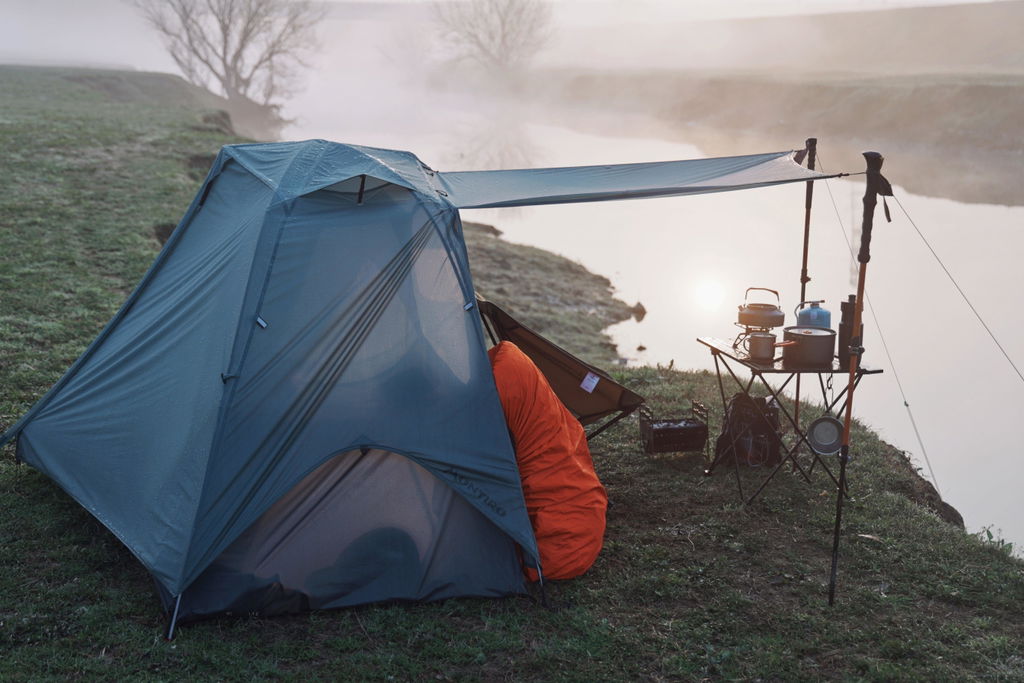
Slept through a windy night on an exposed bluff with no issues at all. Solid, quiet, no flapping. Woke up rested instead of worried.
Light enough that I stopped thinking about the weight, tall enough that I easily change clothes inside. Rare combo in a solo shelter.
Finally a solo tent that fits my wide pad with room to spare - and my pack still fits in the vestibule. No coffin feeling here.
Two doors on a one-person tent sounds like a gimmick until you use it. Gear out one side, you climb in the other. Game changer.
Dozen nights in, here's the honest report. Setup is foolproof - the pole structure practically assembles itself, and freestanding means roots and rocks are a non-issue. The two vestibules aren't a spec-sheet checkbox: one holds the pack, the other boots and the cook kit, and rolling one into an awning gave me a dry spot to make coffee every drizzly morning. Build quality feels a step above the price - smooth zippers, clean seams, nothing flimsy. My one gripe is bulk: with everything in the bag it's about the size of a small loaf of bread, which is fine on a bike or in a big pack but not for the ounce-counting thru-hiker crowd. For everyone else, easy recommendation - and the included footprint make it a no-brainer.